


Filigree inlay
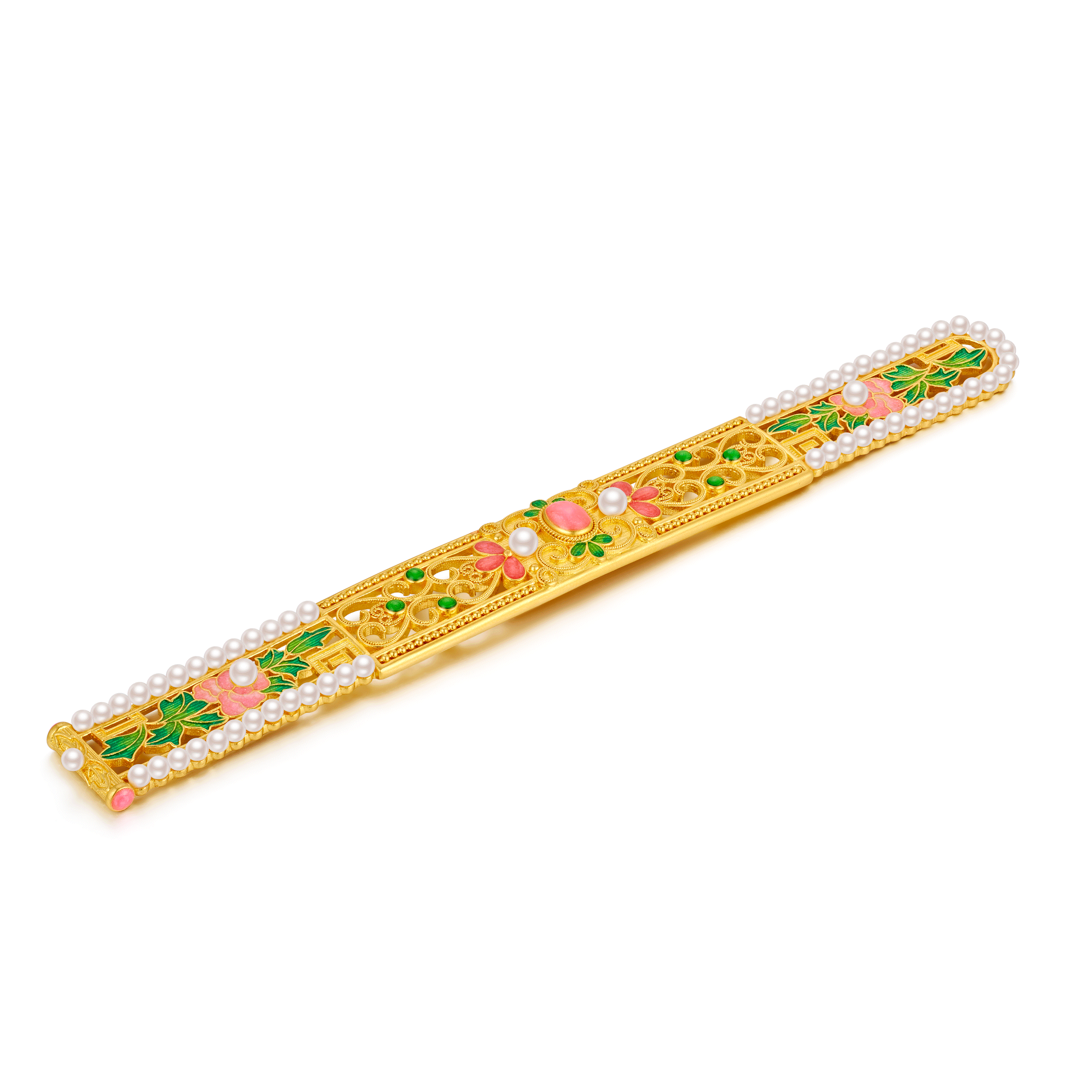
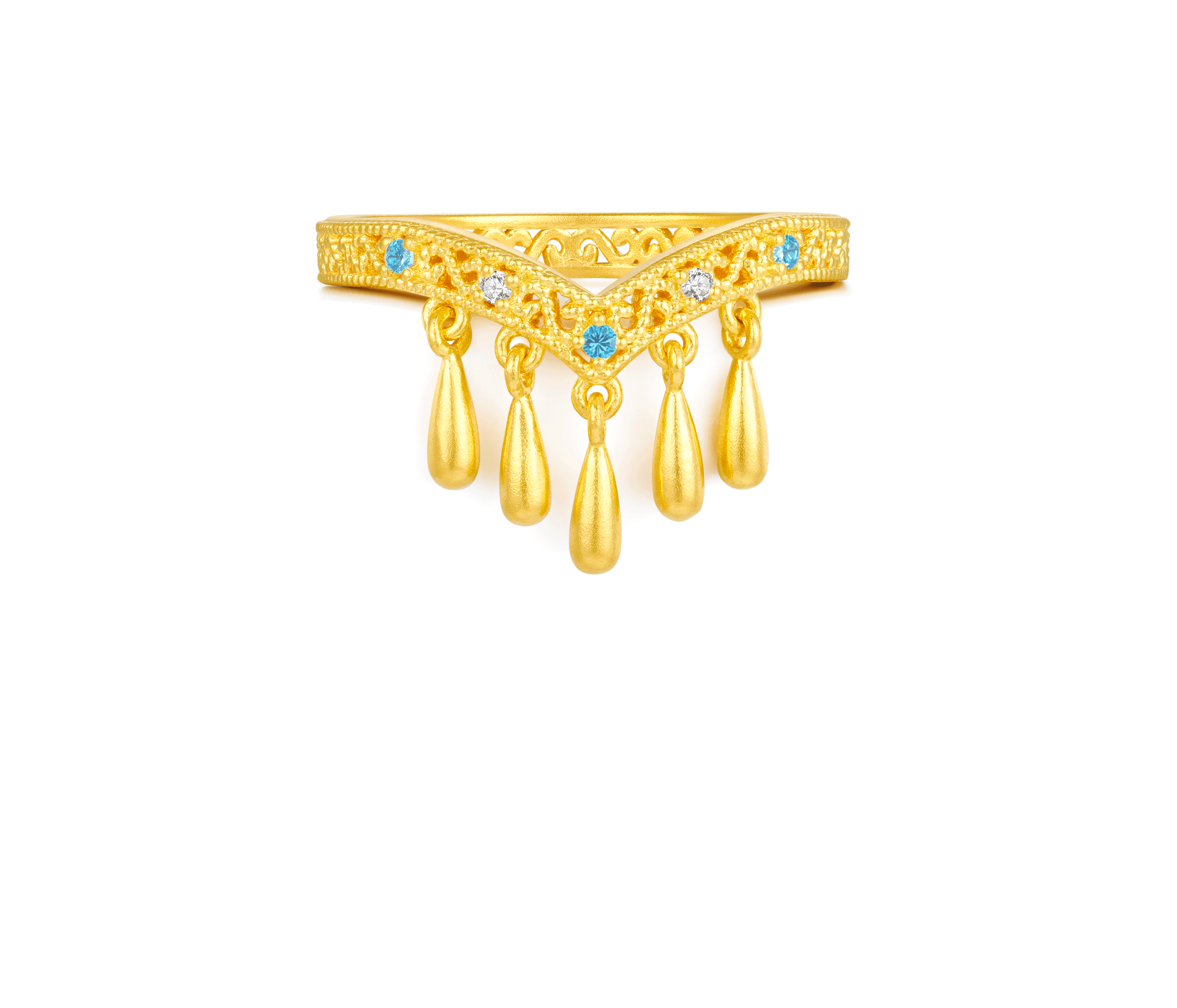
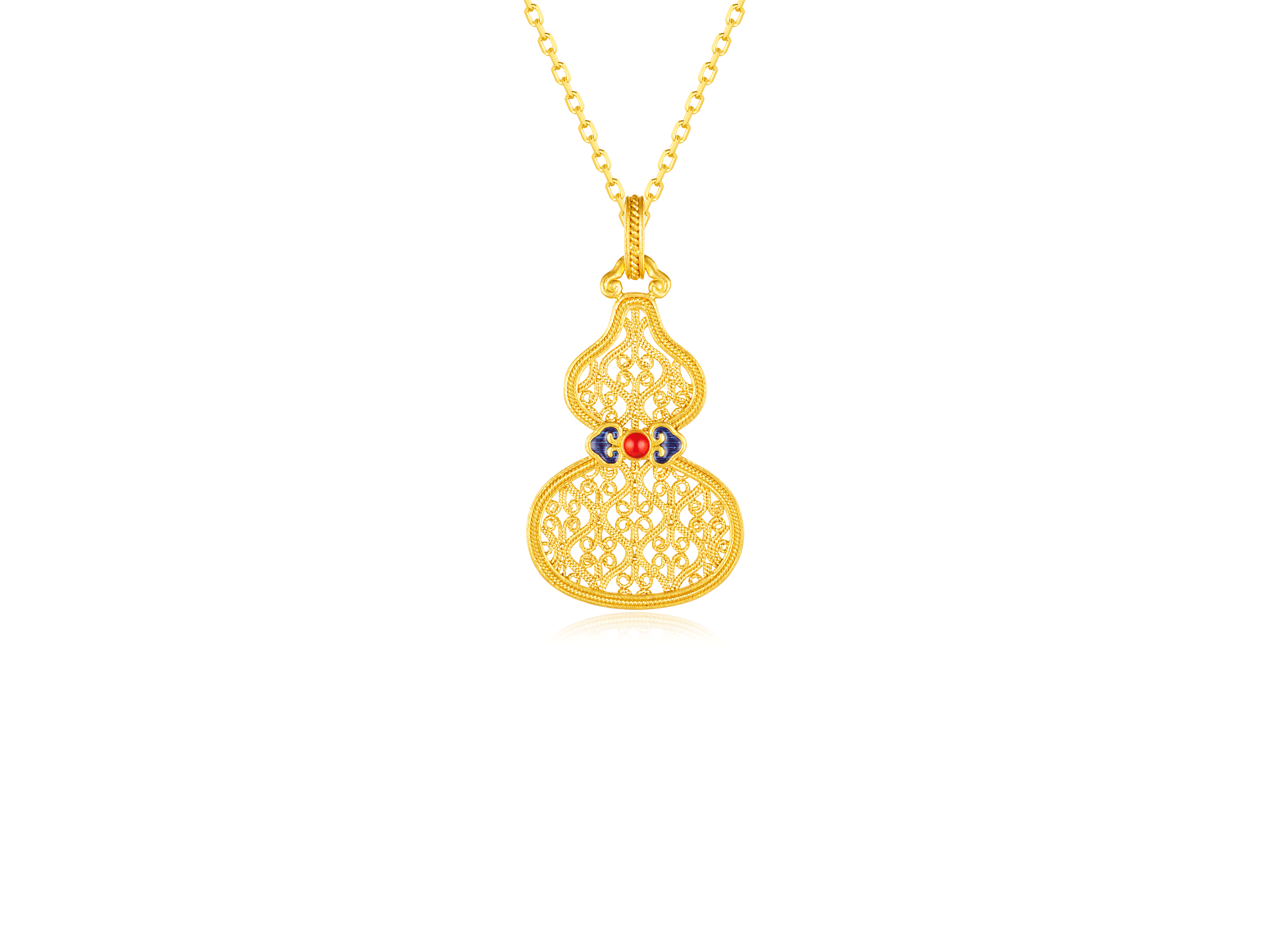
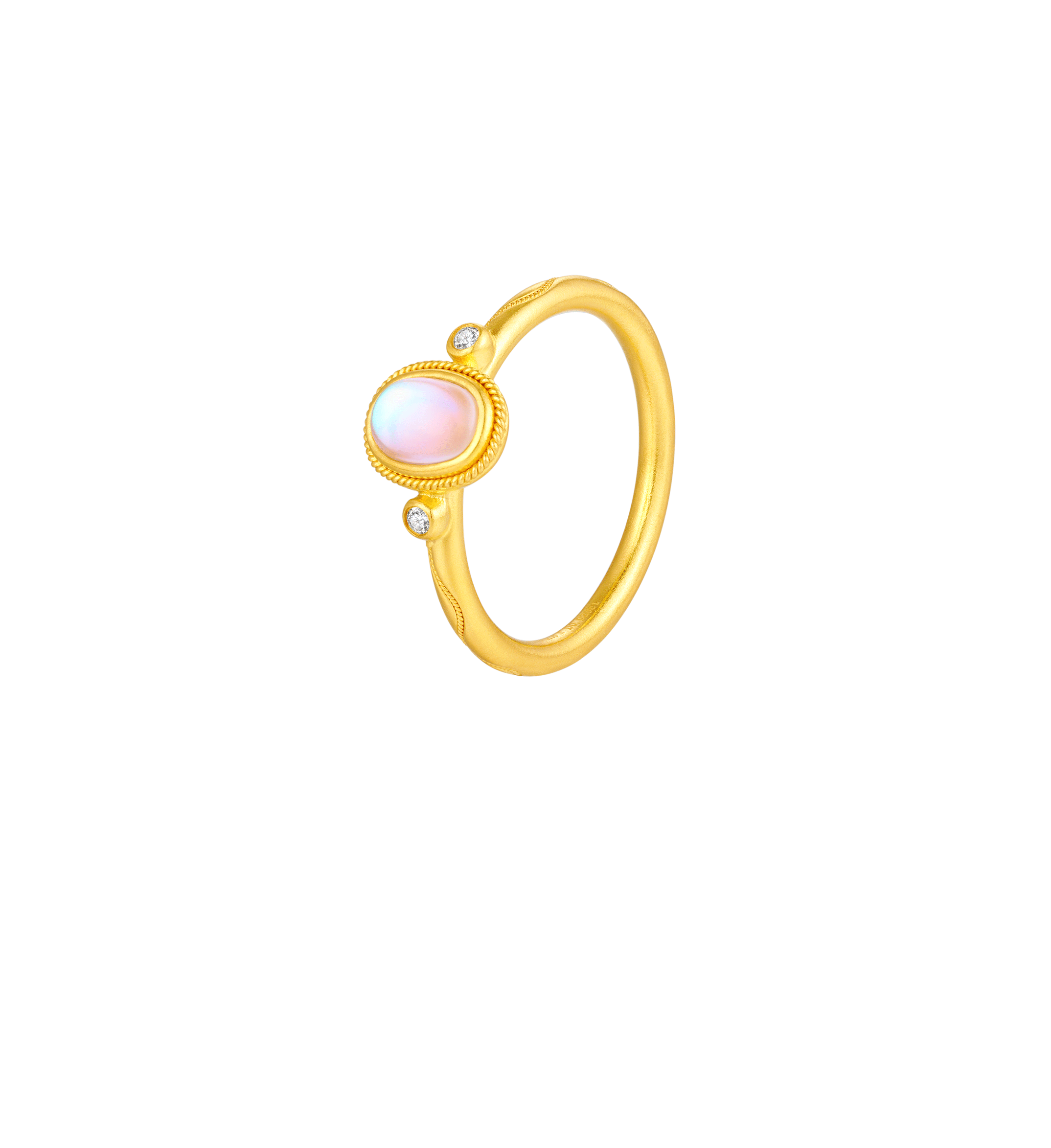
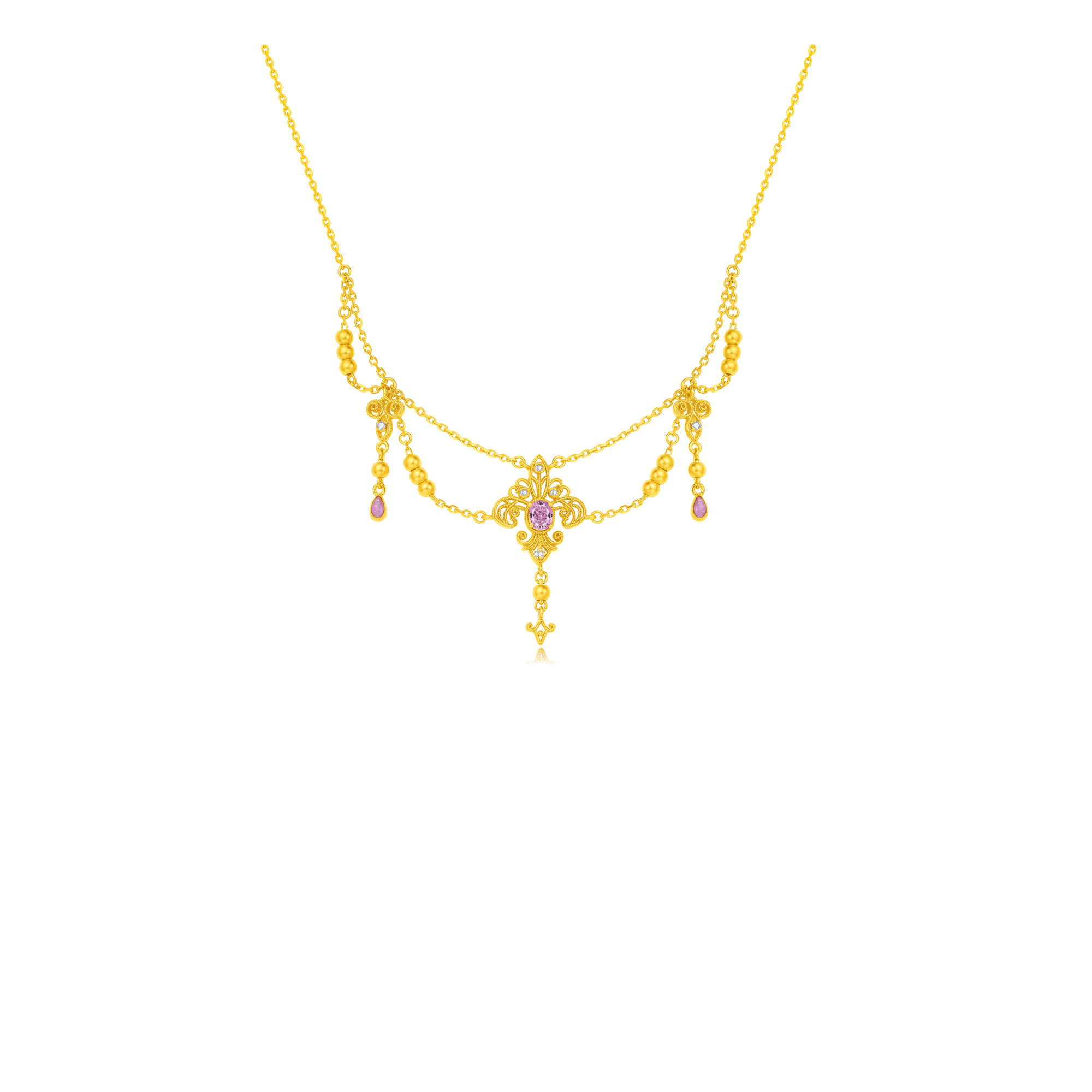
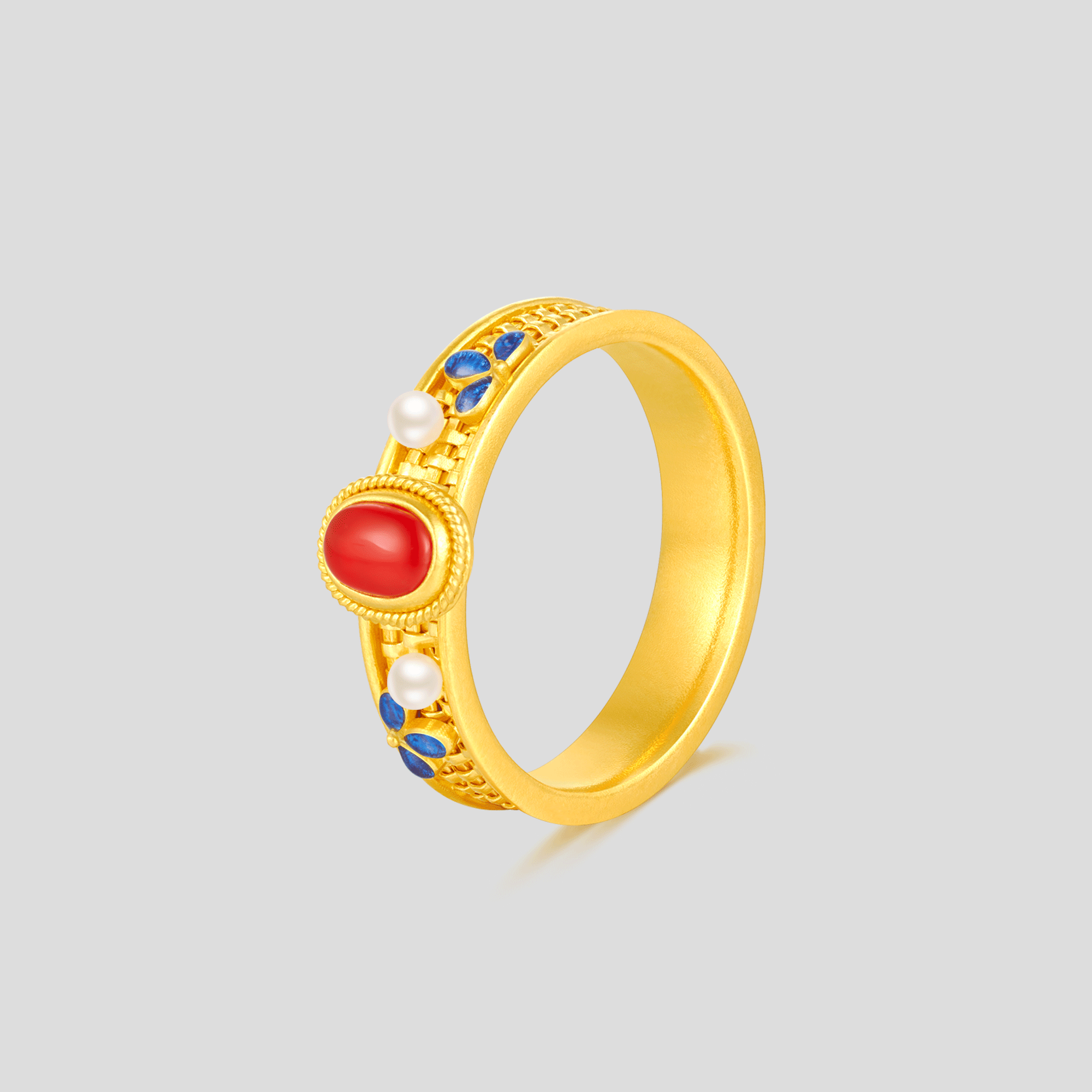
Inheriting the imperial techniques used in the court, it ranks first among the eight treasures of Yanjing. It is handcrafted through eight processes: pinching, filling, piling, piling, weaving, assembling and welding. It represents the ultimate luxury and the highest artistic level of the Chinese court.
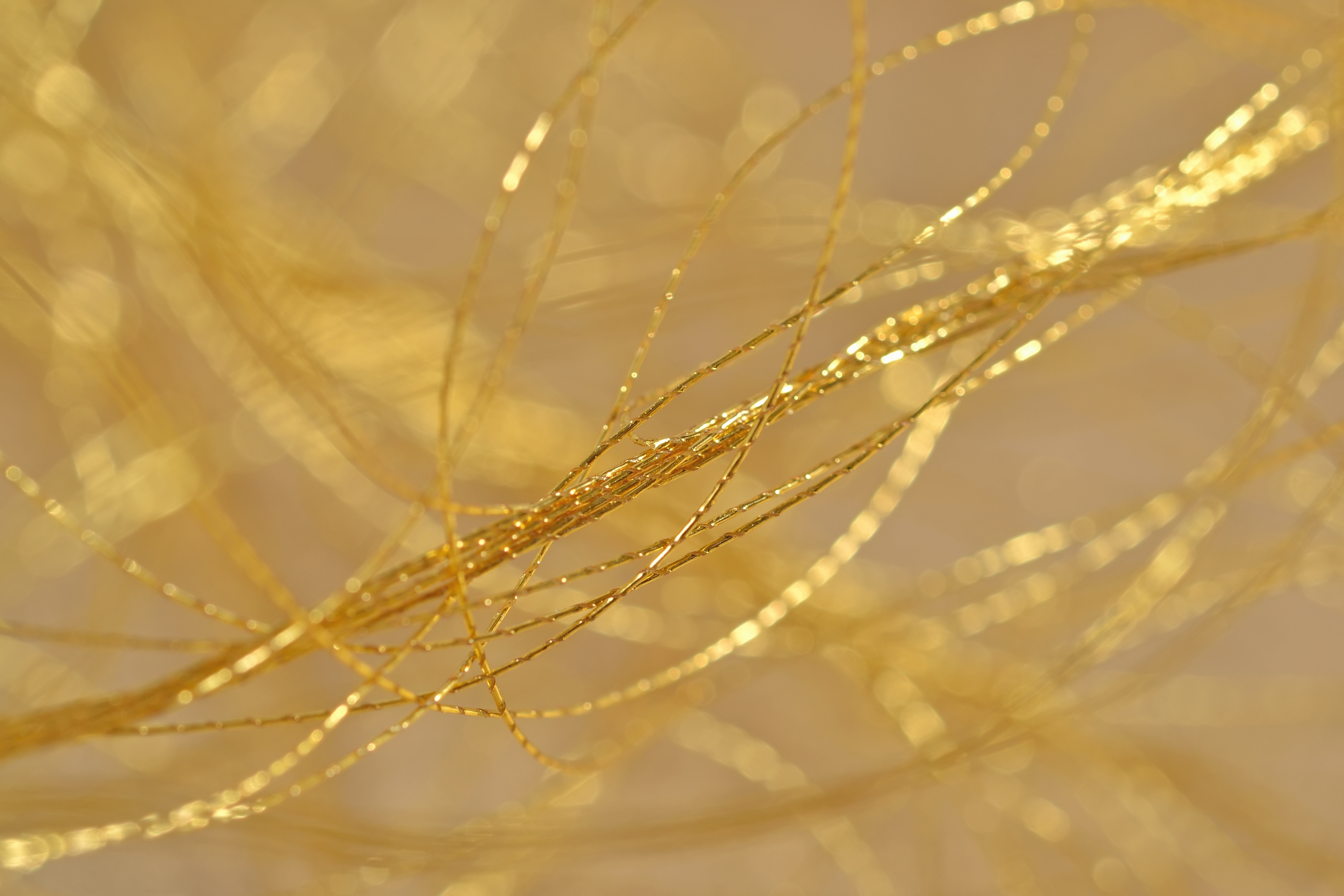
Hand-drawn wire
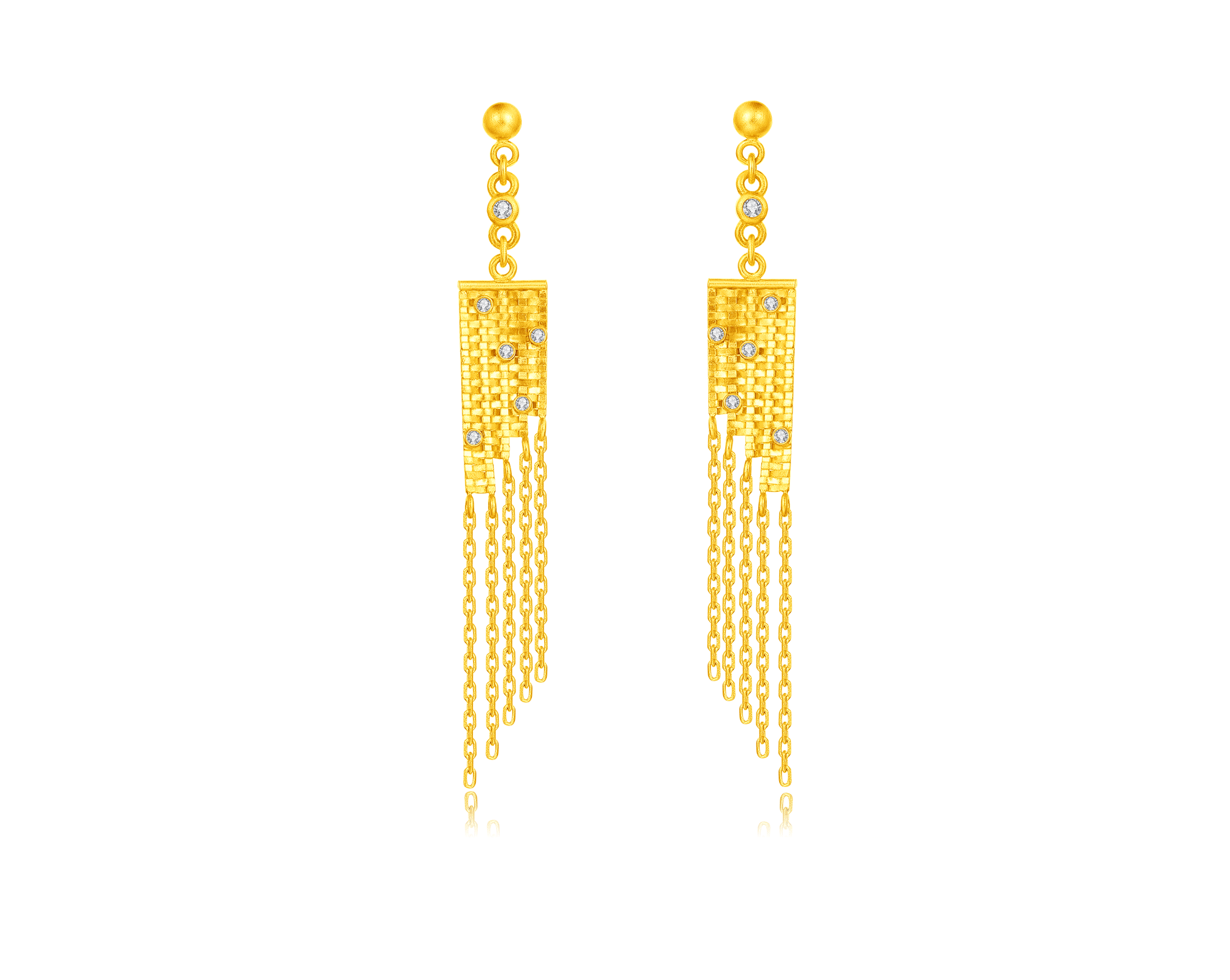
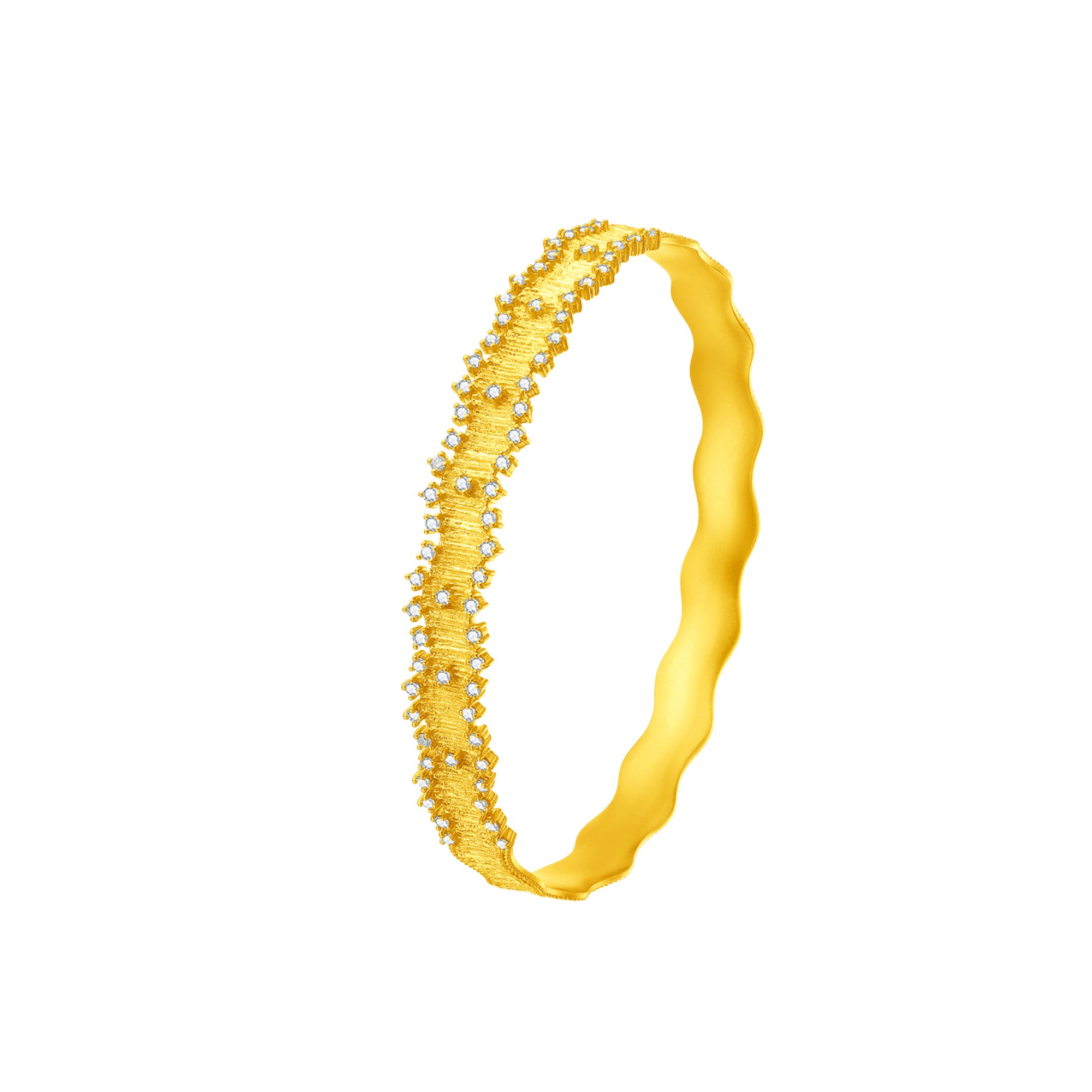
The wire drawing process forms precise straight-grained silk lines by directional polishing of the gold surface, presenting a shiny arrangement of silk lines and enhancing the texture and refinement of gold jewelry products.
Imitate the emerald painting technique
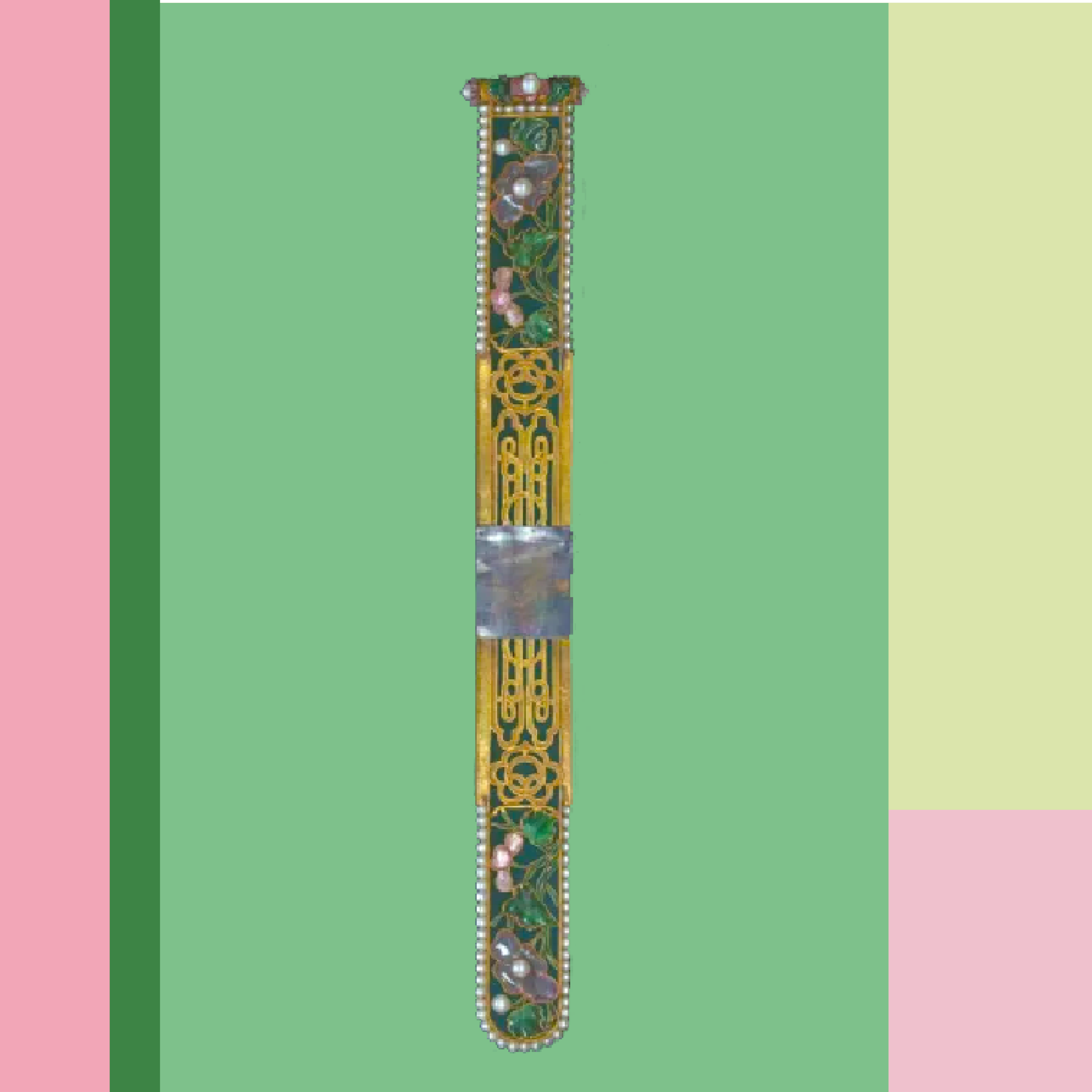
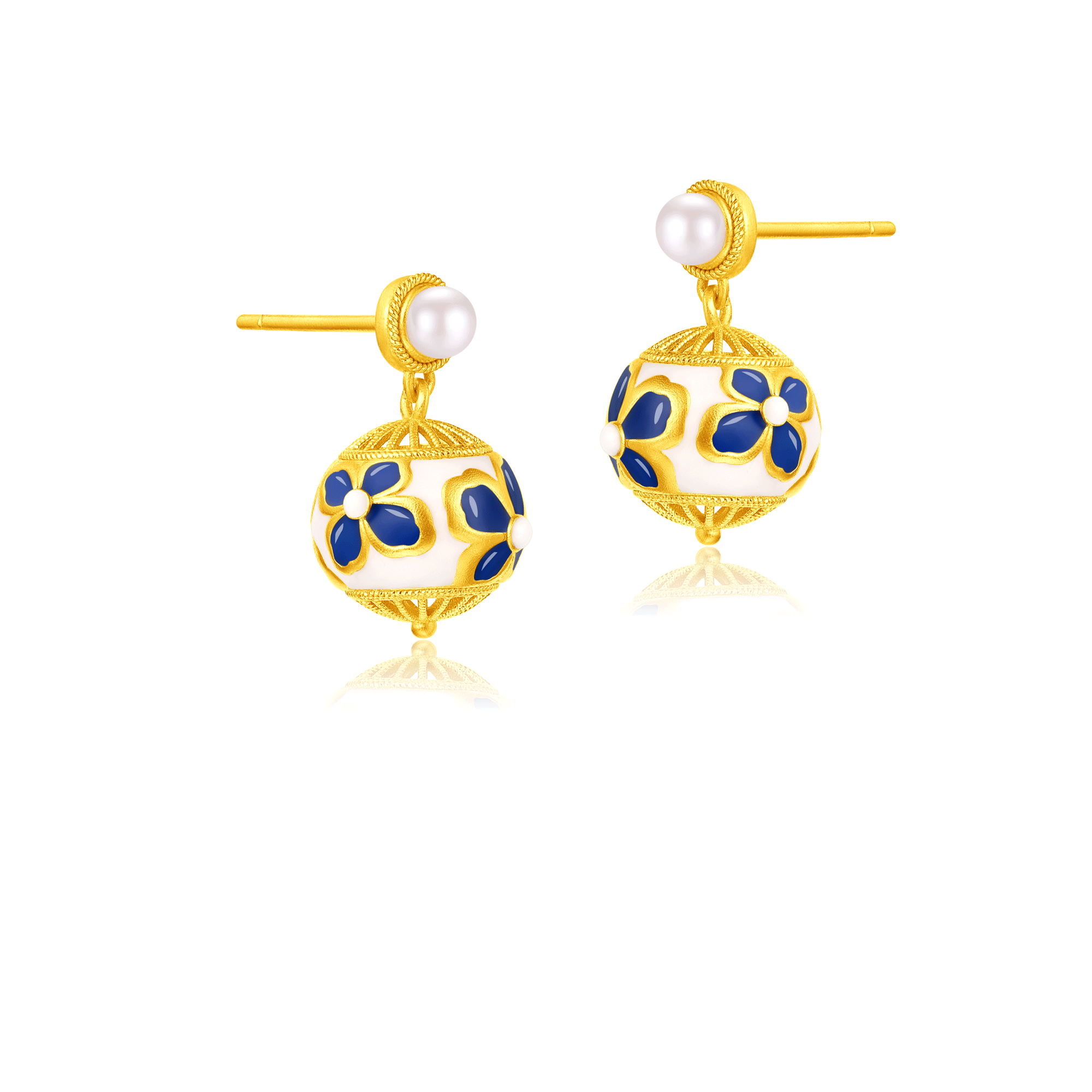
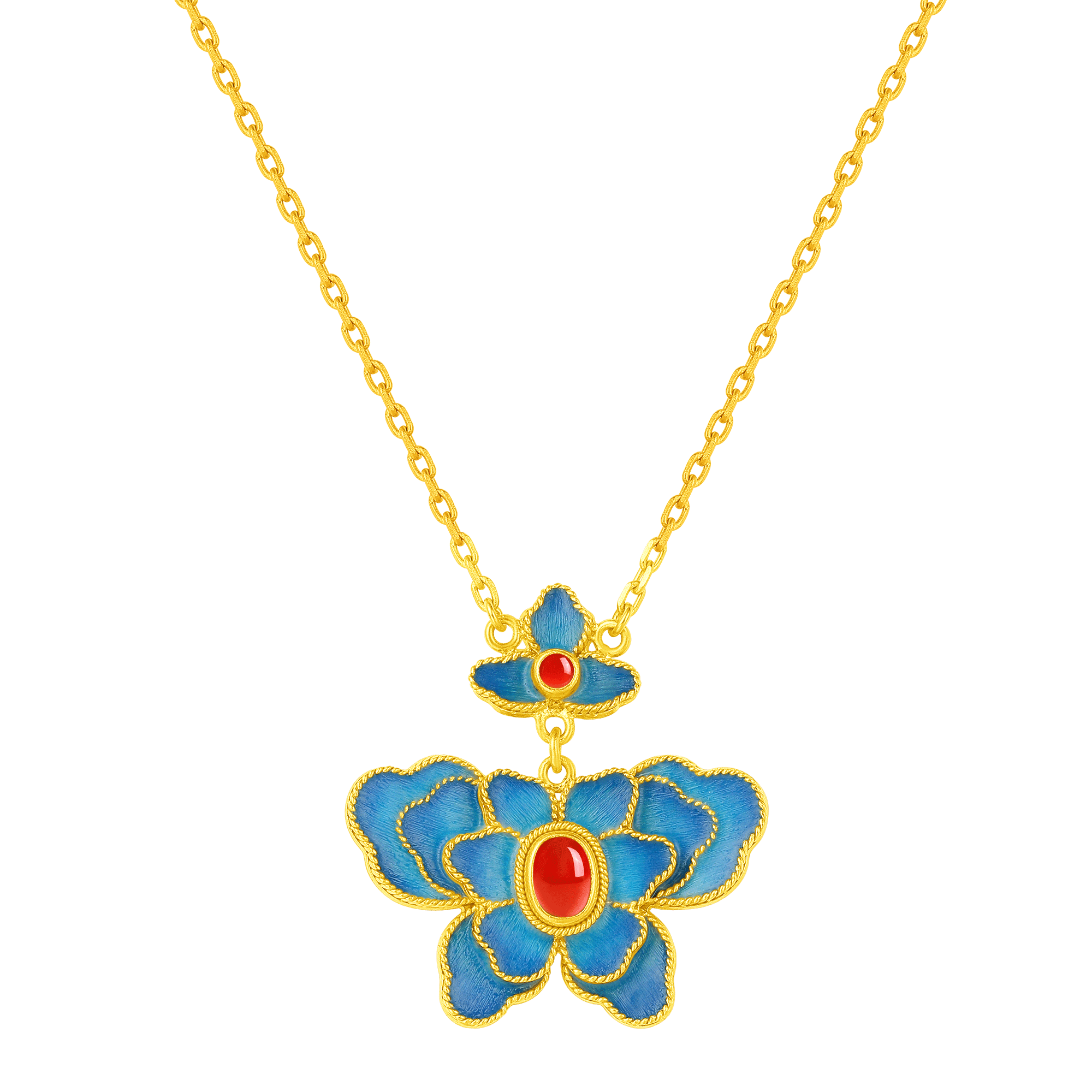
Using enamel instead of emerald feathers, the magnificent blue color of dotted emerald is presented on the silver base through the cloisonne enamel technique. This not only retains the flowing texture of traditional inlaying but also avoids the use of rare kingfisher feathers, combining artistry and environmental friendliness.
Intangible cultural heritage: Mother-of-pearl inlay
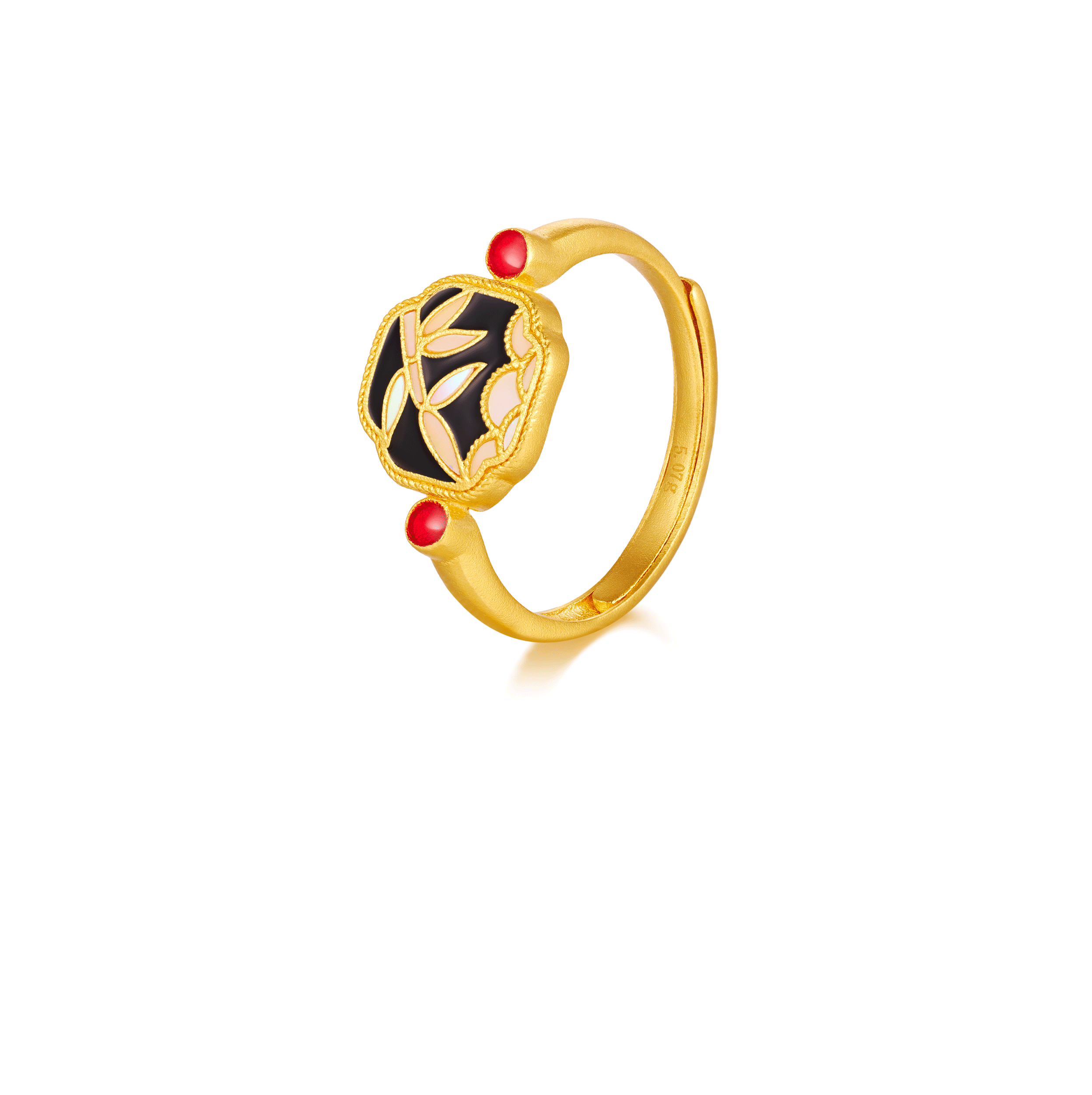
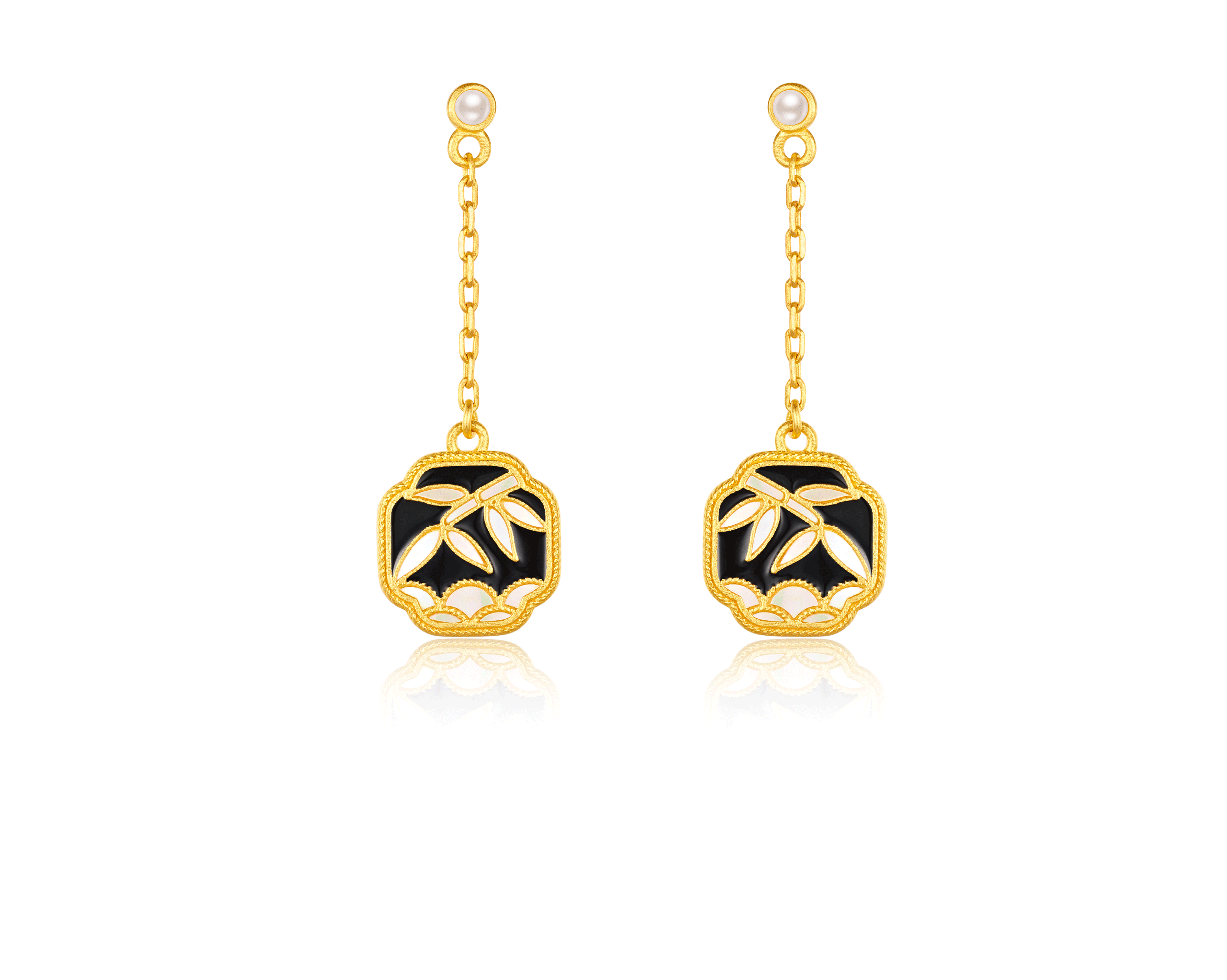
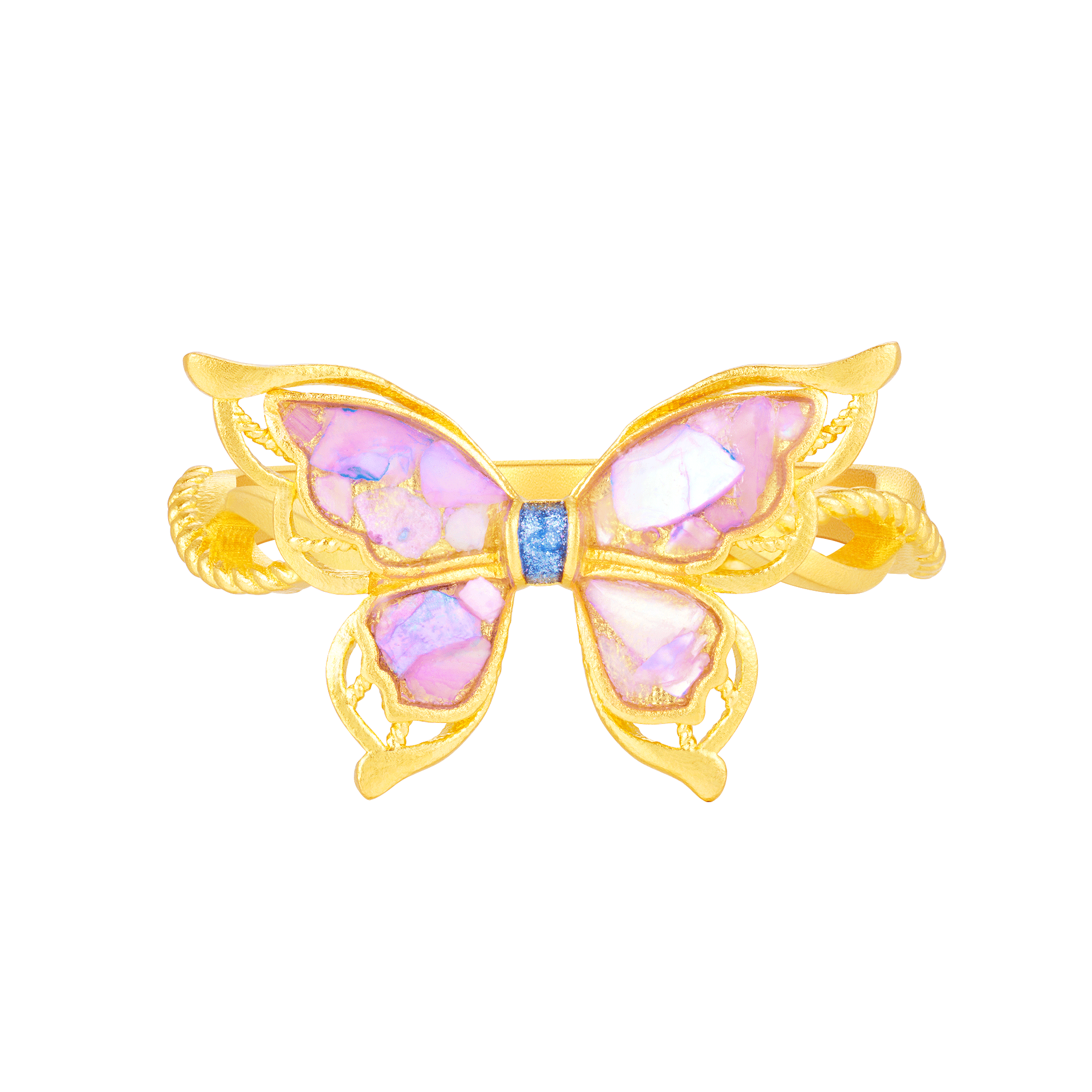
Made from natural shellfish, after processing and slicing, it is inlaid on gold using traditional techniques. The combination of traditional inlaying techniques and gold, supplemented by modern carving techniques, presents a seven-color glow that flows with the light.
Seal engraving technique
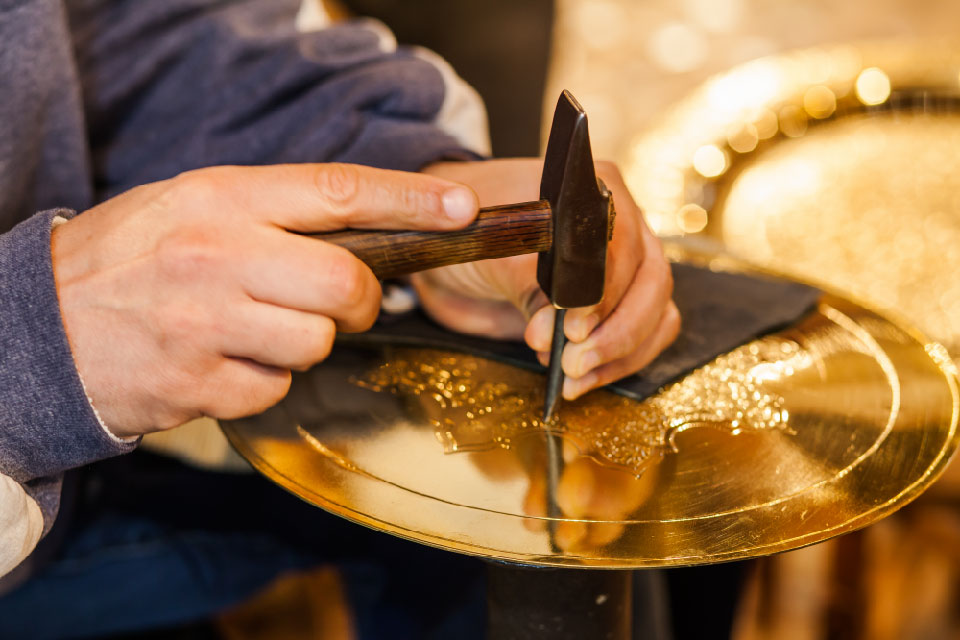
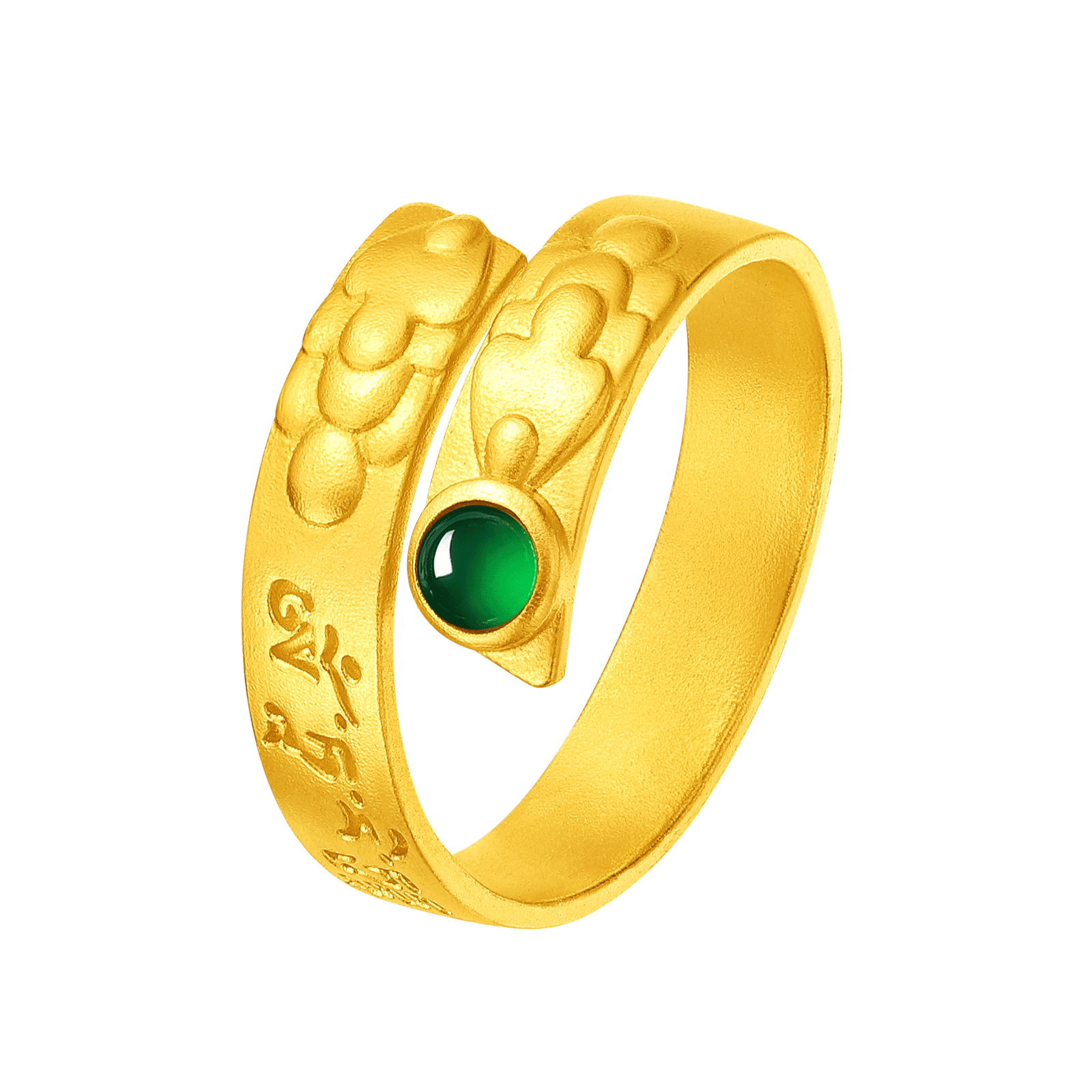
Using a knife as a pen, meticulous carving is carried out on the surface of gold, either engraving elegant characters or depicting dynamic patterns. With the aid of precise tools, the depth and shallowness of the brushstrokes are displayed, presenting the essence of the patterns in three dimensions and endowing gold with cultural imprints.